


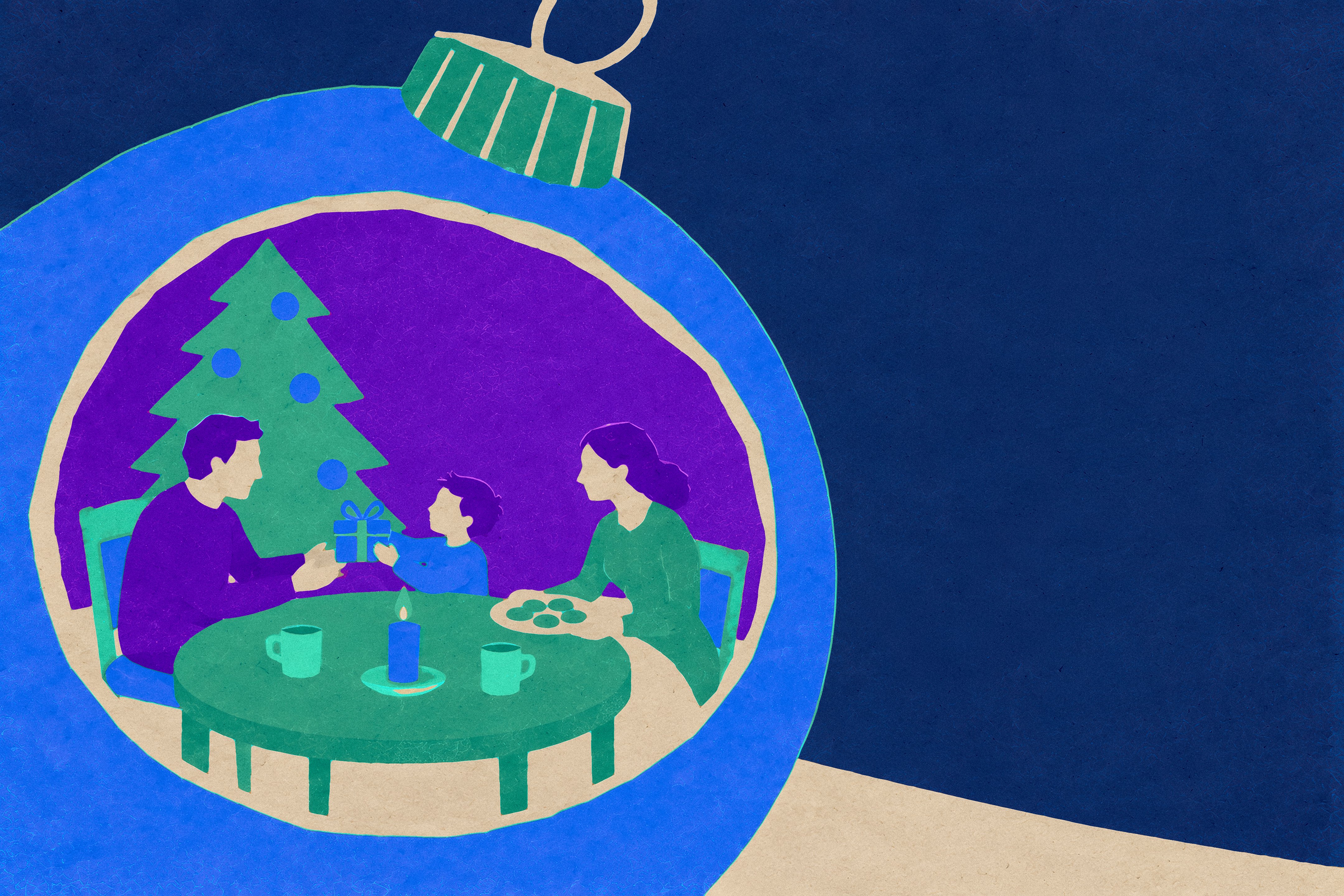
The elf has to move every night. Cookies have to go out on Christmas Eve, and someone has to write the reply from the North Pole. For parents of young children, holiday magic is a nightly production schedule.
The Harris Poll's Holiday Edit study shows how big that schedule has become. Among parents of children under 13, 67% do holiday crafts or homemade décor, and 66% celebrate Santa Claus. 62% visit Santa or take holiday photos with him, 60% leave out cookies and milk, and 57% help write letters or wish lists to Santa. More than half (58%) buy matching holiday pajamas or outfits, 51% use an Advent calendar, and 48% do Elf on the Shelf or something similar.
Many families mark more than one tradition. 30% of these parents mark the winter solstice, 21% celebrate Hanukkah, 19% celebrate Kwanzaa, and 31% observe another winter holiday.
Children's gifts are the last thing to go
Toys and games are a gifting category above all. 88% of toy and game shoppers expect to buy for others, and toys are the second most-given category overall (47%), with parents and Millennials and Gen X leading. When budgets tighten, children's gifts hold up better than almost anything else. Among toy and game shoppers, 70% would make room for gifts for children or younger family members even if money were tight. That's higher than any other category audience in the study.
The cuts happen elsewhere. 55% of toy and game shoppers plan to skip gifts for themselves to keep money for others, and 53% expect to buy for fewer people or buy fewer gifts per person. They're protecting the children's list by trimming the adults' list.
The pressure is real, and parents feel it most
Parents of young children are almost twice as likely as non-parents to feel pressure to make the season special and memorable (34% vs. 19%). They're also more likely to feel stretched between holiday responsibilities, work, and their own well-being (27% vs. 19%). Among toy and game shoppers, 28% say creating memories for children is a sign of a successful holiday.
Those memories often depend on what's already on the shelf. Books, movies, and music help create the season too. 77% of media shoppers expect to buy books, music, movies, or other media as gifts, and 43% say seasonal movies, shows, or music are what make it feel like the holidays.
What it means for toy, family, and entertainment brands
The role for brands is to make the rituals easier to deliver. Families are juggling several traditions at once, so assortments that work across Santa, Advent, crafts, and faith or cultural celebrations make it easier to shop. That way parents don't have to piece the season together from different stores or collections.
The toys on the wish list also own the feelings families shop for. Among Americans who know each brand, more call LEGO fun (53%) than any of the 866 broadly known brands HarrisQuest tracked in 2026. American Girl (44%) and Paw Patrol (42%) top the list on "young," and LeapFrog ranks second on "smart" (36%), behind only Apple Watches.
On product, the toys spotlight points to three practical moves. First, make sure stock and visibility are strongest on the most-wanted, wish-list items. Second, make the full cost clear upfront, including batteries, accessories, and bundles. Third, help shoppers find the right gift by age, interests, skill level, and play style, especially aunts, uncles, and grandparents who don't know the child's current favorites.
What it means for insights and research teams
In family categories, the person buying is often not the person playing. Brand tracking that looks only at the general population can miss the shift that matters most: how parents of young children feel about a brand during the weeks they're making decisions. HarrisQuest's own tracking shows how big that gap can be. From August through early November 2026, 44% of US adults with a child under 13 at home said Disney is a brand on its way up, compared with 35% of all US adults. They were also more likely to say they'd consider it (84% vs. 74%). Segmenting by parental status and child age shows whether a brand is winning the household or just the shelf.
Traditions also make the category seasonal and repeatable. A brand that becomes part of a family's ritual one year has a strong chance of returning the next. Tracking momentum and consideration among parents from December into the new year shows whether that's happening. Being known isn't enough on its own. Sesame Street is familiar to 87% of US adults, but only 19% say it's on its way up, well below the 27% typical of household-name brands.
How HarrisQuest helps
HarrisQuest's QuestBrand tracks brand health continuously, with 200 interviews per brand every week. Toy and family brands can see how they're landing with parents week by week through the holidays. Existing clients can filter by households with children under 13 to compare holiday performance with their wider audience.
About the research
This survey was conducted online within the United States by The Harris Poll from October 8–13, 2026, among 1,906 US adults aged 18+ who expect to buy a holiday gift for themselves or someone else.
Brand figures come from HarrisQuest's continuous US brand tracking. Disney figures cover August 12–November 9, 2026, among US adults 18+ (n=2,456) and adults with a child under 13 in the household (n=643). Imagery and momentum figures cover 2026 year to date (Q1–Q3). Imagery figures are among adults familiar with each brand, and rankings include brands familiar to at least 47.5% of US adults.