
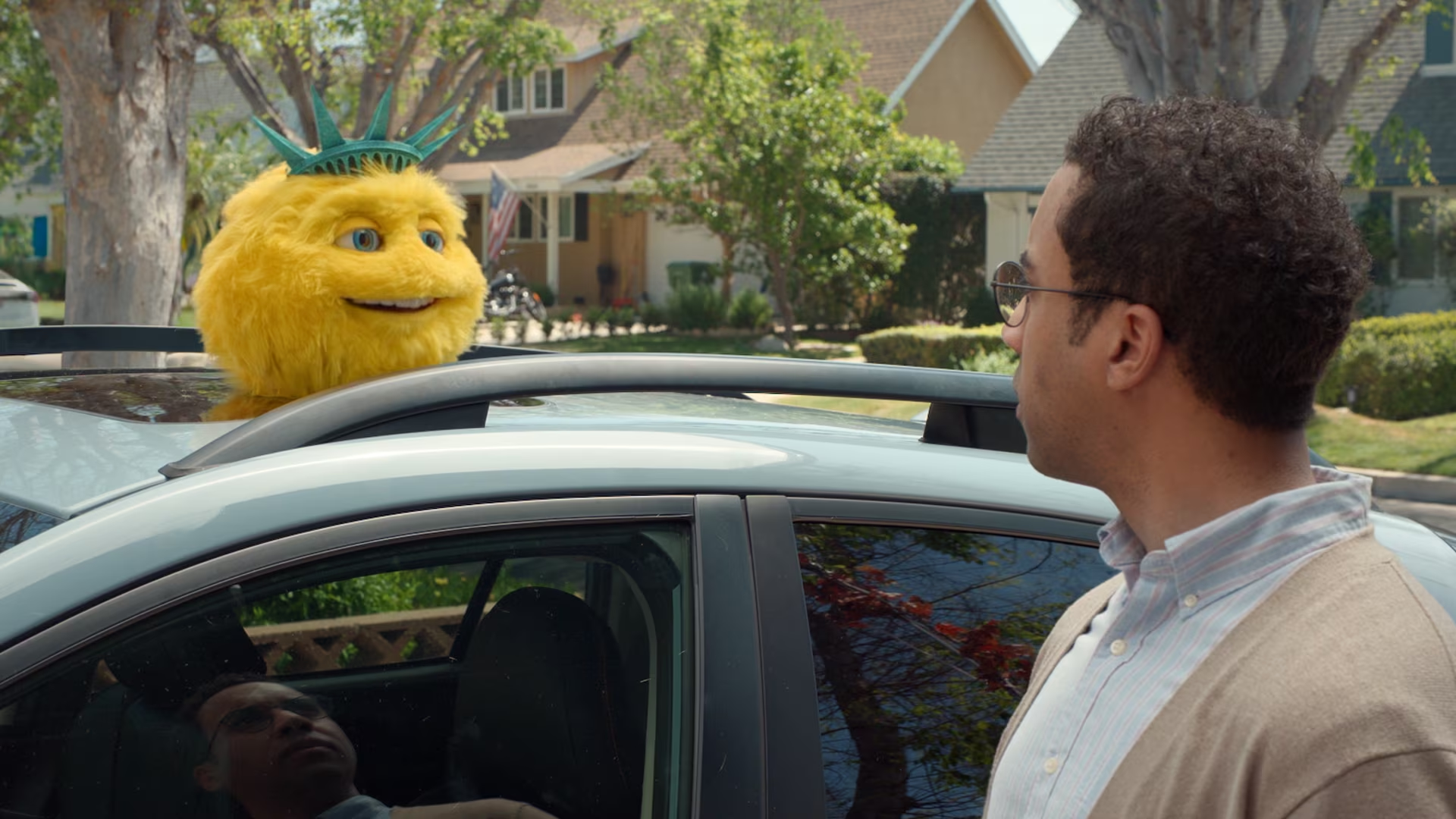
A yellow felt puppet in a Statue of Liberty crown is an unlikely candidate for Gen Z's attention.
Liberty Mutual built Liberty Biberty out of a mispronunciation in a 2019 ad, had Jim Henson's Creature Shop make it by hand, and watched its Gen Z equity climb 14 points in a single quarter. The share of Gen Z who say the insurer is on its way up doubled, from 11% to 22%.
That result sits at No. 2 in the Q3 2026 Ad Age-Harris Poll Gen Z rankings, which track the brands whose equity rose most among adults born between 1997 and 2012. The ranking tells you who moved. The more useful question for a brand leader is which of those gains our trend check backs. Call it the chaos dividend: brands that laughed at themselves, cut prices, or turned up in unexpected places got noticed. Fewer of them got somewhere new.
The 20 brands going against the tide

Gen Z's view of brands slipped this summer. Across the 1,565 brands HarrisQuest measured in both quarters, average Gen Z equity fell 1.3 points. Every brand in the top 20 moved the other way by at least 5 points, and the top 3 gained more than 12.
The spread is wide. Bose climbed from 40.8 to 56.3, while Krispy Kreme and Vrbo each added 5 points from very different starting places: 61.5 for the doughnut chain and 25.5 for the rental platform.
4 plays that got Gen Z's attention
Some of these gains are on firmer ground than others, so each brand's HarrisQuest trend rating sits beside it. The ratings are explained in the next section.
1. Self-aware humor
Liberty Mutual wasn't the only brand to profit from not taking itself too seriously. OpenAI's September launch ad skipped the debate about AI risk entirely and showed the product folding into everyday chores. Its Gen Z equity rose 10.5 points, returning to its November 2025 high, and Gen Z trust in the company held steady while it happened. As Justin Pincus, Managing Director of HarrisQuest, put it: "This quarter's theme: embrace the chaos."
2. A price cut on something they already wanted
Bose topped the ranking with a 15.5-point rise after cutting its original QuietComfort headphones to $229 in July and launching a new model on August 6, though the lift had faded by late September (rated Emerging). Pizza Hut's return of the $3 Personal Pan on July 14 lifted the share of Gen Z who see it as shaping today's trends by 7.5 points, but its overall gain is rated Watch, our most cautious rating. Price moves get noticed fast. Neither has held so far.
3. Borrowed fandoms
Liquid Death spent the quarter attaching itself to other brands' audiences, from MrBeast's Feastables to Goodwipes and BARK, and earned the only Strong rating on the list. Hollister put a dorm and home collection into more than 1,500 Target stores from June 28, though its gain is rated Watch. Anthropologie stacked a Molly Yeh kitchen line, a Barbour collaboration, and 9 Nike styles, and reached its best Gen Z level since early 2024. That gain is also rated Watch.
4. Turning up where Gen Z already spends time
The Farmer's Dog became the NFL's first official pet food partner on September 9, with a spot built around a running back and his rescue dogs (rated Emerging). LOL Surprise marked its 10th anniversary at Lollapalooza and hit its highest Gen Z level since spring 2025 (rated Confident). Ulta Beauty's Supergirl campaign with Milly Alcock ran from late May to mid-July (rated Emerging). Toyota and Audi both went after soccer fans during the World Cup, but both gains are rated Watch, and Toyota's only took it back to its January 2026 level.
Most of these gains are recoveries
A big quarterly jump can mean a brand broke new ground, or simply that it climbed back to where it stood a year ago. To tell them apart, HarrisQuest checked each brand's 12-week Gen Z trend against its own history since January 2024 and rated the result:

Only Liquid Death reached new territory with a verified story behind it. Its 12-week Gen Z reading hit 46.0, past its March 2026 high of 41.3. Meanwhile, 16 of the 20 brands still sit below a Gen Z high they set earlier.
Some of the gains have obvious explanations. EA's lift tracks its sports calendar, with College Football 27 in July and Madden in August, and it saw a similar bump in Q3 2025. Toyota's rise took it back to its January 2026 level. L'Oréal edged just past its previous Gen Z high, and YETI matched its own.
7 brands grew without being seen more
You might expect the brands that rose fastest to be the ones Gen Z remembered seeing ads for. For some brands, ad recall rose alongside equity. Liquid Death's Gen Z ad recall jumped from 6% to 15% over the quarter.
For 7 of the 20, it doesn't. Their Gen Z equity rose while ad recall held flat or fell. Poppi is the clearest case, with equity up 7.3 points while recall dropped 5 points after its Spider-Man promotion ended on August 8. Something kept the brand in conversation once the paid media stopped: word of mouth, a cultural moment, or spending from earlier in the year still paying back.
The pattern underneath all 20 is consideration. It rose for every brand on the list, by 11 points on average, more than any other part of equity. Attention turned into intent, with more of Gen Z saying they would consider buying.
How to read your own Gen Z spike
A ranking rewards movement. Before you treat a Gen Z lift as a win, run it through 4 checks:
- Your own history. Compare the new level with your highest Gen Z reading, not last quarter's. A return to a previous peak is recovery, and should be planned for as recovery.
- The tide. Average Gen Z equity fell 1.3 points this quarter, so a flat brand lost ground in relative terms and a modest gain counts for more.
- The source. Separate what paid media did from word of mouth, cultural timing, and earlier spend. Recall data will tell you if people saw the ads.
- The component. Find out which of the 4 parts of equity moved. A jump in familiarity behaves differently from a jump in consideration.
So far, our trend check backs only a few of these gains as new ground. A puppet, a $3 pizza, and a goth dog toy all bought attention this summer. The next quarter will show which of them bought loyalty.
See how your brand reads with Gen Z. Book a HarrisQuest demo
About the research
HarrisQuest surveys US adults every day, with results weighted to US Census benchmarks. This analysis compares Q2 2026 (April 1 to June 30) with Q3 2026 (July 1 to September 30). Brand equity is the average of familiarity, momentum, consideration, and perceived quality on a 0–100 scale. Ad recall is tracked separately. Trust and trend-shaping scores come from QuestRQ and are rated by Gen Z adults familiar with each company.
HarrisQuest reviewed the 101 largest Gen Z gainers with at least 125 Gen Z respondents in each quarter. Brands needed at least 47.5% Gen Z familiarity to qualify, and brands between 30% and 47.5% stayed in only with a verified, dated story. Trend ratings use a 12-week moving average starting January 1, 2024. Findings based on fewer than 100 respondents are directional. The quarterly Ad Age-Harris Poll Gen Z rankings were published on October 15, 2026.